
California Hot Springs Near Yosemite – Your Complete Guide
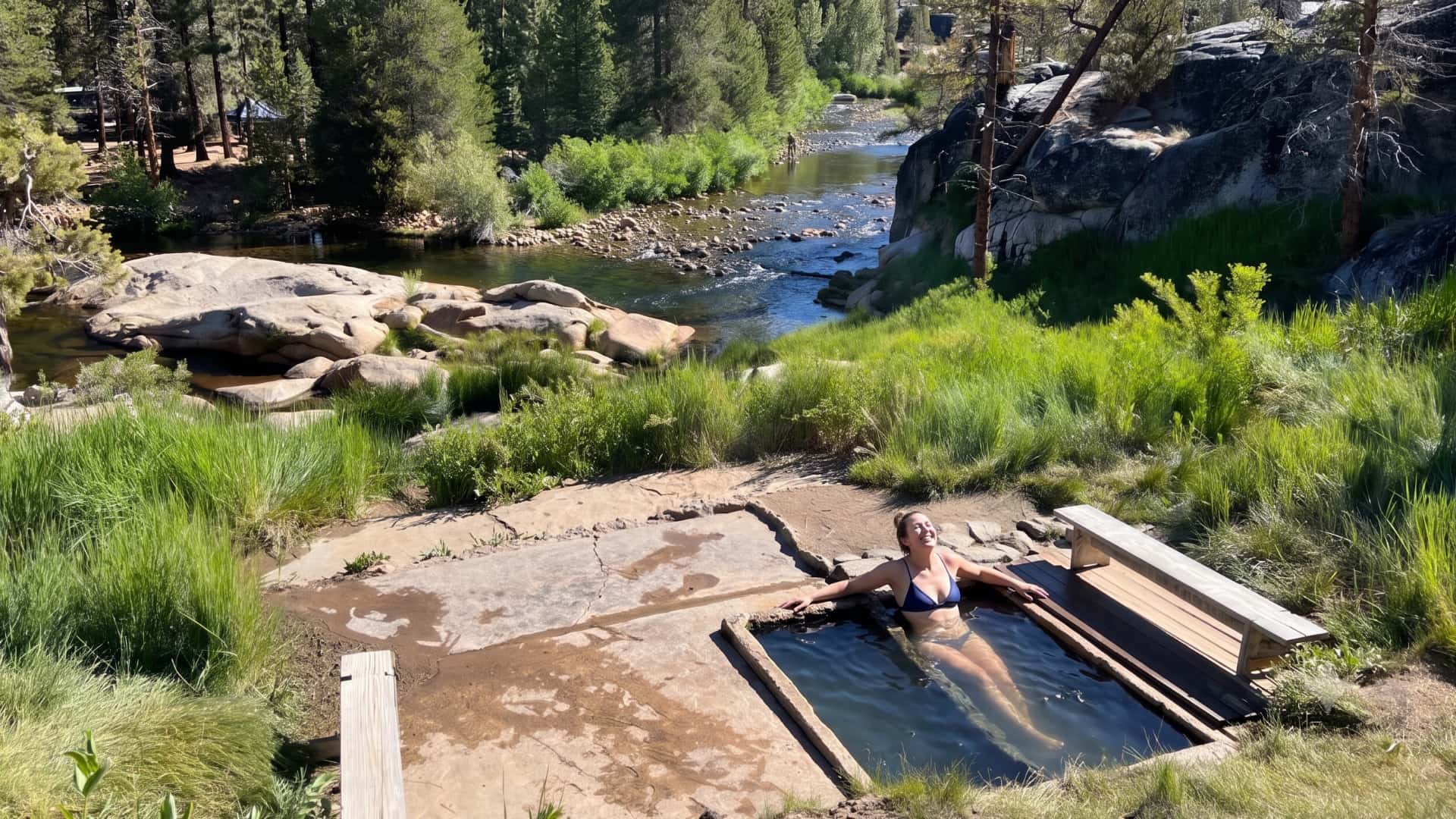
California’s Sierra Nevada is home to more than Yosemite’s famous cliffs and waterfalls. It’s also home to some of the state’s most memorable hot springs, with soaking spots found near mountain towns, in forested areas, and across the valleys surrounding the park.
Some are simple public pools with few amenities. Others are more developed places where you can stay overnight, eat, shower, book a private tub, or turn the stop into a full mountain getaway.
This guide compares some of the best hot springs near Yosemite, including what each one feels like, when to go, and what to know before you visit. That way, you can choose the right spot for your trip!
Yosemite Hot Springs: Know Before You Go
Most of the best hot springs are outside the park.
Yosemite does have mineral springs, but there are no natural hot springs inside the park boundaries of Yosemite National Park, and the main soaking spots people visit are usually found in the surrounding Sierra region.
Drive times can be longer than they look.
Some hot springs aren’t far from Yosemite by mileage, but mountain roads, seasonal passes, and dirt road access can add more time than expected.
Check the season before you go.
Snow, runoff, storms, and road closures can affect access, especially on higher mountain roads and remote routes, so conditions can change throughout the year. The most reliable access window is typically from late May through October.
Know what kind of place you’re choosing.
Some hot springs are simple public pools with few or no amenities. Others have cabins, private tubs, dining, campgrounds, showers, hotel stays, or private soaking options.
Plan before you lose service.
Download your route, check road conditions, and give yourself enough time to soak without rushing back out. Before you lose service, bring plenty of water and basic supplies.
Why California Hot Springs Make the Perfect Yosemite Extension
If you’re searching for Yosemite hot springs, the first thing to know is that Yosemite National Park itself does not have natural hot springs inside the park. The good news is that there are several worthwhile hot springs in the surrounding Sierra region that pair well with a Yosemite trip, with the closest options generally found near Bridgeport and Mammoth Lakes.
Days at Yosemite can be full, but in the best way. You’re out early, walking trails, driving mountain roads, taking in waterfalls, and trying to fit in as much as you can before the sun drops. Adding a hot springs stop can be a good way to unwind after hiking and sightseeing, whether you’re planning for a family trip, a solo visit, or a group getaway, and whether you want a simple soak or a more developed resort stay.
The best option depends on what kind of experience you want and how much planning you want to do. Some nearby hot springs are simple, undeveloped soaks. Others are resort-style stays with lodging, meals, showers, and easier access. In this guide, you’ll find where the hot springs near Yosemite are, how far they are from the park, what road and seasonal access is like, when to go, and which spots make the most sense if you want either a quick soak or a longer stay. For a more complete mountain getaway, Mono Hot Springs, located between Yosemite and Kings Canyon, is a great fit. But more on that later!
Best Hot Springs Near Yosemite National Park
When comparing hot springs near Yosemite, location matters just as much as the soaking experience. Some are easier to reach from the east side of the park when Tioga Pass is open, while others make more sense from Fresno, Mammoth Lakes, Bridgeport, Bishop, or Highway 395.
You’ll also want to look at access, amenities, and seasonality before choosing a spot. A place that looks close on the map may involve mountain roads, seasonal closures, dirt roads, or limited services, so it’s worth checking the route and current conditions before you go.
It’s also worth knowing that some public and private hot springs in this region may be clothing optional. If you’re traveling with kids or prefer a swimsuit-required setting, check the rules and recent visitor notes before you visit.
We’ll start with the more developed hot springs, then move into the free, more basic spots.
Developed Hot Springs & Day Use Near Yosemite & Beyond
These are the hot springs to look at if you want the trip to be easier to plan. You’ll usually have more to work with, whether that means lodging, private tubs, managed pools, showers, food, or just a clearer idea of what to expect when you arrive.
They’re not always as cheap or spontaneous as public hot springs, and many require reservations. But if you’re traveling with family, staying overnight, or adding a hot springs stop to a longer Yosemite trip, they can make the whole thing feel a lot easier and more enjoyable!

Mono Hot Springs Resort
Mono Hot Springs is one of the best options if you want the hot springs to feel like part of the trip, not just a quick stop along the way. The resort sits deep in the High Sierra on the western slope of the Sierra Nevada, surrounded by forest, granite peaks, mountain lakes, and quiet stretches of wilderness that make it easy to reconnect with nature.
Once you arrive, you can soak in natural mineral water (some are hot water some are cool; Old Pedro hot spring averages around 106–107°F), enjoy spa-style amenities like massage, stay in a cabin, eat at the café, stop by the general store, hike, fish, explore nearby lakes, or just settle in and relax after a full day outside.
That mix is what makes Mono Hot Springs different from many other hot springs near Yosemite. You still get the mountain setting and natural mineral water, but you also have lodging, food, showers, and helpful amenities close by. The resort is family and pet-friendly, and nudity is not allowed. If you want a more complete High Sierra getaway, this is one of the easiest places to build a full trip around.
Because the season is limited and cabins can fill early, it’s best to plan ahead, especially for summer, weekends, and early fall.

Benton Hot Springs
Benton Hot Springs is a good option if privacy is one of your top priorities. It’s about one hour from Yosemite’s Tioga Pass Entrance, making it a realistic east-side stop if you’re entering or leaving the park through Tioga Pass. Benton Hot Springs offers cabins starting at $149 per night. Instead of a shared public pool, the main draw is private soaking, often connected to lodging or campsite reservations.
It’s farther from the main Yosemite routes, so it usually works better if you want to stay overnight rather than make a quick detour. The nearby town is Benton, which also helps orient you on the east side of the Sierra. The setting has a quiet, high-desert feel, with plenty of space around you. The hot mineral-water soaking is typically around 100° to 104°F roughly (you can adjust the temperature), which keeps it comfortable for a longer soak.
This can be a good choice if you want a calmer hot springs experience without the busier feel of a public soaking area, and it’s located well beyond the main park corridor.

Keough’s Hot Springs
Keough’s Hot Springs near Bishop has managed pools, changing areas, and a simple setup that’s easy to understand before you arrive.
It’s a practical choice for families, first-time visitors, or anyone who wants a straightforward soak without dirt-road access or rougher conditions.
Keough’s doesn’t feel as tucked away as some natural springs, but it’s comfortable, accessible, and easy to work into a travel day.

Mercey Hot Springs
Mercey Hot Springs is farther from Yosemite than many Sierra hot springs, but it can work well on a broader California road trip. It offers geothermal soaking, open scenery, and overnight options in a quieter setting.
This is less of a quick Yosemite detour and more of a planned stop. If your route takes you west or through a wider California itinerary, it may be worth considering.
Because it’s remote, check current hours, lodging, day-use availability, pet rules, food access, and amenities before you go.

Wilbur Hot Springs Resort
Wilbur Hot Springs is farther from Yosemite than most of the options on this list, so it makes more sense if you’re building a bigger California trip rather than looking for a quick Yosemite detour.
This is more of a quiet retreat than a casual roadside soak. Visitors come for mineral water, indoor lodging or campsites, quiet rules, and time away from busier travel routes.
Wilbur may not be the right fit if you’re looking for a simple family pool or a quick stop after Yosemite. But if you’re planning a slower trip with hot springs as part of the itinerary, it’s another developed option worth considering.
Free and Undeveloped Hot Springs Near Yosemite
The free hot springs near Yosemite are usually more of a self-guided experience. They can be scenic and memorable, but you’ll need to be comfortable with fewer amenities, changing conditions, and a little more planning.
Most undeveloped hot springs have limited or no facilities. You may not find showers, trash service, staff, drinking water, or reliable bathrooms. Roads can be rough, pools can be crowded, and water temperatures can vary. Bring what you need, check conditions, and leave the area clean.
If you’re camping nearby, store food in bear lockers or approved bear-resistant containers to avoid attracting hungry bears into your area. With the right planning, these springs can be a really rewarding part of the trip.

Buckeye Hot Springs
Buckeye Hot Springs is a public soaking area near Bridgeport with a creekside setting, rock-lined pools, and a more natural feel than a developed resort. Set beside Buckeye Creek, it also has nearby Buckeye Campground as a convenient option.
Because it’s free and undeveloped, don’t expect showers, staff, dining, or managed pools. You’ll need to bring what you need and pack out your trash.
The water can be very hot near the source, so test the pools carefully before getting in. Access usually includes a dirt road and a short but steep walk down to the water, which can be harder in wet, snowy, or muddy conditions.

Travertine Hot Springs
Travertine Hot Springs is another well-known public hot spring near Bridgeport. It’s popular because it’s relatively easy to reach, has natural rock pools, and offers open views of the Sierra.
The tradeoff is that it can get busy. If you want a quieter soak, visiting during the week or early in the morning is usually better than weekends or sunset.
Facilities are limited, and visitors usually start from a simple parking lot near the springs, so this is best for visitors who are comfortable with a simple, undeveloped setting. Nearby Buckeye Hot Springs can range from about 100° to 140°F (usually closer to 110°F on the high end), so test each pool carefully, especially since the short, steep walk down takes a little effort.

Wild Willy’s Hot Springs
Wild Willy’s Hot Springs, also called Crowley Hot Springs, is near Mammoth Lakes and Crowley Lake. It’s one of the better-known free hot springs in the Eastern Sierra.
Wild Willy’s Hot Springs sits on public land under BLM land management, so access is straightforward but visitors should follow local rules and Leave No Trace practices.
For a quieter soak, visit during the week or early in the morning, then head out from the parking area for a short walk of less than a mile. But because it’s easy to find and widely known, it can also be crowded.
When to Visit the Hot Springs
The best time to visit depends on where you’re going and what kind of hot springs trip you want. Higher-elevation spots are more seasonal, while lower-elevation or developed hot springs may be easier to visit outside the main summer window.
In general, late spring through early fall is the safest bet for road access, especially if you’re planning to visit hot springs in the Sierra or higher mountain areas.
How Long to Stay
How long you stay depends on how much you want the hot springs to shape the trip. If you just want to soak and move on, an easier access spot near Mammoth Lakes, Bishop, Bridgeport, Fresno, or Highway 395 may work well for a day.
But if the drive is long, the road is slow, or the area has more to explore, it’s worth giving yourself at least a night. Hot springs are a lot more enjoyable when you’re not watching the clock or trying to get back over mountain roads before dark.
For a more relaxed trip, look for a place where you can stay awhile, explore nearby trails or lakes, eat, rest, and come back to the springs without rushing. However long you stay, drink water, take breaks, and avoid alcohol in the pools, especially when the water is hot.
Final Thoughts
What you choose really depends on the kind of trip you want. If you’re looking for a quick, low-cost soak and don’t mind fewer amenities, the public pools near Bridgeport, Mammoth Lakes, and Bishop may be enough.
If you want the trip to feel easier and more complete, a developed hot springs stay may make more sense. Having a place to sleep, eat, shower, soak, and come back to after a day outside can make a big difference, especially with long drives, mountain roads, seasonal access, and limited cell service.
For a simple stop, choose the hot spring that fits your route. For a more relaxed mountain getaway, choose a place where you can stay awhile and really enjoy the experience.
Stay Awhile at Mono Hot Springs
Mono Hot Springs is worth more than a quick stop. This is the kind of place where the hot springs are part of a bigger mountain experience, with cabins, trails, fishing, nearby lakes, mineral water, quiet evenings, and time to settle into Mono Hot Springs as your High Sierra basecamp.
You can wake up in a cabin, step outside into cool Sierra air, spend the day hiking or exploring the water, then come back for a mineral soak, a massage, a meal at the café, and a quiet night in the mountains. It gives you the kind of trip a roadside pool just can’t.
That’s what makes Mono Hot Springs Resort such a good fit for a Yosemite area getaway. You still get the natural High Sierra setting, but with cabins, food, a general store, bathhouse access, and a real basecamp to come back to at the end of the day.
If you want the hot springs to be one of the best parts of the trip, not just a quick stop, Mono Hot Springs is the place to slow down and stay awhile.
Cabins can fill early during summer and early fall, so it’s best to plan ahead. For cabin reservations and information, call 559-325-1710 or check current availability before your travel dates.

Ready to Slow Down in the High Sierra?
Cabins at Mono Hot Springs fill early for summer and early fall. Reserve now to wake up to mountain air, mineral soaks, and quiet Sierra nights — your basecamp for the perfect Yosemite-area getaway.
Frequently Asked Questions
Do I need reservations for California hot springs?
For developed hot springs, reservations are usually a good idea, especially during peak season. Places like Mono Hot Springs, Benton Hot Springs, and Wilbur Hot Springs are much easier to plan when you book ahead. Public hot springs are usually first-come, first-served, but that also means parking and pool space can be limited.
Which hot springs are accessible in winter?
Lower elevation or developed hot springs are usually the better winter options. Remote high country springs can be harder to reach because of snow, ice, seasonal road closures, and dirt road access. Before planning a winter visit, check current hours, road conditions, and whether the hot spring is open for the season.
What should I bring to natural hot springs?
Bring water, snacks, a towel, warm layers, sandals or shoes with grip, a headlamp, offline maps, and a bag for trash. A swimsuit is also a good idea, even if the spring is known to be clothing optional. If you’re visiting an undeveloped site, don’t assume there will be bathrooms, drinking water, trash service, or supplies nearby.
Where are the Yosemite hot springs?
The hot springs people usually visit as part of a Yosemite trip are outside the park, in the surrounding Sierra region. Some are on the west side of the Sierra, like Mono Hot Springs near Kaiser Pass, while others are farther east near Bridgeport, Mammoth Lakes, Bishop, or Highway 395. If you’re thinking of Yosemite Valley itself, note that Soda Springs in Yosemite is a cold, naturally carbonated mineral spring rather than a soaking hot spring. The best choice depends on your route, the season, and how much time you want to spend getting there.
Are the hot springs near Yosemite family-friendly?
Some are, but not all. Developed hot springs and managed pools are usually easier with kids because they have clearer rules, basic facilities, and more predictable access. Some places, including Benton Hot Springs, Wilbur Hot Springs, Travertine Hot Springs, and Wild Willy’s, may be clothing optional or have nude bathers, so families should check rules and recent visitor notes before going.
How much do hot springs near Yosemite cost?
Some public hot springs are free. Developed day-use pools may charge a per-person fee, while private tubs, cabins, campsites, inns, and resort stays can cost much more. The more amenities you want, the more important it is to check current pricing before you go.
What’s the difference between natural and resort hot springs?
Natural hot springs usually feel more self-guided. They may be free, scenic, and memorable, but they often come with fewer facilities, changing water temperatures, rougher access, and no staff on site. Resort hot springs cost more, but they usually offer a more comfortable setup with managed pools, lodging, showers, reservations, and clearer rules.
2026 Season starts May 22 to October 26
Important Notice
Mono Hot Springs Resort and the areas Kaiser Pass Road will open Memorial Day weekend, May 22, and will end October 26th.
For cabin reservations and information please call us at 559 325 1710. We take reservations year-round.
Mono Hot Springs has Tent Cabins, Historic Cabins, FS Campground Reservations in the Sierra Mountains south of Yosemite California!